
PADI Open Water on Koh Tao: The Complete 2026 Guide
What the Open Water cert actually unlocks
The PADI Open Water Diver certification is the entry-level recreational scuba certification. It's the most-issued scuba cert in history - over 29 million divers worldwide hold one.
Lifetime certification, no expiration. You can dive 10 years from now without renewing or refreshing (we still recommend a refresher dive after long breaks, but it's not required for the card to remain valid).
Worldwide recognition. PADI is recognized in roughly 135 countries. Other major agencies (SSI, NAUI, BSAC, SDI, RAID) all accept PADI Open Water as the equivalent prerequisite for their own Advanced courses.
Lets you dive with a buddy to 18m without supervision. To go beyond 18m, you need the Advanced Open Water cert.
Required prerequisite for AOW, Rescue Diver, EFR Primary Care, and the entire Pro track (Divemaster, Instructor).
The 4 components of the course
Theory: 5 modules covering physics, physiology, equipment, dive planning, and the underwater environment. You can do this as eLearning at home before you arrive (saves a day on the island), or in classroom sessions with us.
Confined water sessions: 5 sets of skills practiced in a pool. Mask clearing, regulator recovery, alternate air source use, weight handling, neutral buoyancy basics. This is where you build the muscle memory.
Open water dives: 4 dives in the ocean. You demonstrate the same skills you learned in confined water, plus you do a small navigation exercise.
Final exam: 50 multiple-choice questions, 75% pass mark. If you fail one section you re-do that section only, not the full exam.
The 4 ocean dives - what you'll see
Dive 1: Twin Peaks or Japanese Gardens. 8-12m max depth. Calm reef, hard coral, damselfish, parrotfish, the occasional cuttlefish. You'll do basic skills (mask clear, regulator retrieval) on the bottom.
Dive 2: White Rock or Aow Leuk. 12-15m max depth. More reef life, more variety. Often a turtle sighting.
Dive 3: Same site as Dive 2 at deeper depth. 15-18m. You're getting comfortable with the depth and equalization rhythm now.
Dive 4: Different site, full skill demonstration including the navigation exercise (swim out 30m and back using a compass).
All 4 dives are on our boats - Siam Explorer or Siam Pearl. Surface intervals are spent on the boat, lunch is included on full-day dive trips.
How long it takes - day by day
Standard: 2.5 days on the island if you complete the eLearning theory component at home before you arrive (recommended). Day 1 is theory and pool, days 2 and 3 are your four ocean dives, and you are certified by late morning on the final day.
Final day: your instructor signs off the last skills and you finish the exam. Your PADI certification card is issued digitally through the PADI app, and it is yours for life.
Slower track: add a day if you do all your theory in person on the island instead of online before you arrive.
We don't compress the course below 2.5 days. It is already an efficient schedule because the theory is done before you land - cutting it further leaves you less comfortable in the water and makes the skills less automatic.
If you have time, spreading the same course over an extra day at a relaxed pace is the most enjoyable way to do it.
Group size matters more than people realize
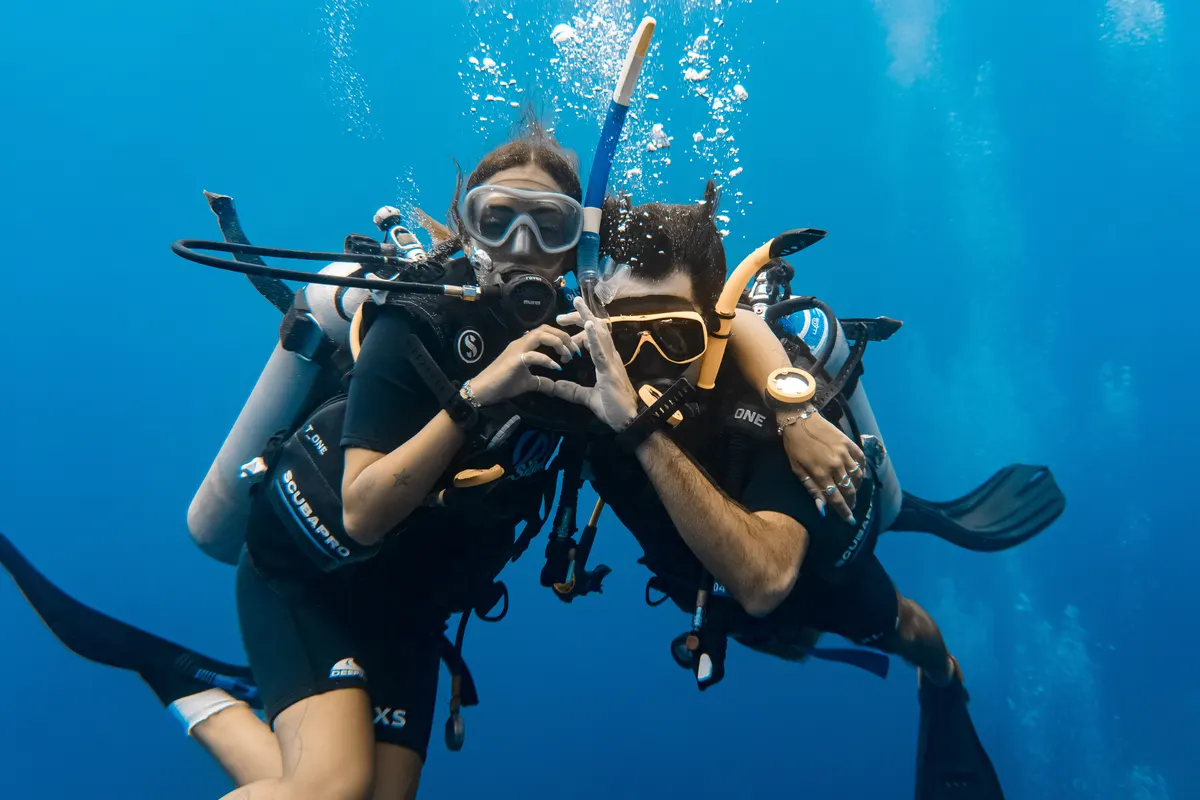
PADI maximum is 8 students per instructor. That's the upper limit, not the standard.
Industry common in Koh Tao: 6 to 8 students per instructor. With that ratio, the instructor can't watch everyone closely. Skills get rushed. Students who need extra help get less of it.
Siam Scuba: maximum 4 students per instructor. No exceptions. Often 2-3 in a group during quieter periods.
4:1 ratio means every student gets meaningful one-on-one skill correction time. Underwater, the instructor can actually see what each student is doing.
From our data: students in 8:1 groups have a higher rate of failed skill demonstrations and need-more-time outcomes. We've kept 4:1 because we'd rather run more groups than rush a single one.
What gear is included
Mask, snorkel, full wetsuit (3mm shorty for warm season, 3/5mm full for cooler months), BCD (buoyancy control device), regulator with primary and alternate, fins, weights, tank.
Dive computer for the open water portion. We use Suunto and Mares computers; we'll teach you to read it.
All gear is rinsed and quality-checked daily. Tanks are visually and pressure-tested annually.
If you have your own mask, bring it. A fitted mask is the single most useful piece of personal gear - rentals work fine but a mask that fits your face is more comfortable.
Other personal gear (BCD, regulator, fins, computer) is fine to bring if you own it, but absolutely not required.
What to bring and the swim test
All dive gear is provided, so you only need a swimsuit, a towel and reef-safe sunscreen.
You don't need to be a strong swimmer, but you do need to be comfortable in the water. PADI asks for a 10-minute float and a 200-metre swim (or 300 metres with mask, fins and snorkel), with no time limit. Your instructor runs it with you on day 1.
Health requirements
PADI Medical Statement is a 10-question yes/no form covering common conditions. You'll fill it out on Day 1.
Any "yes" answer requires a doctor's signature before you can dive. You can get this in Koh Tao - a Thai dive medical exam costs 1,000-1,500 THB and takes about 30 minutes.
Common conditions that need clearance: asthma (most asthmatics can dive with controlled medication, but they need a sign-off), ear surgery history, recent ear infections, heart conditions, pregnancy (no diving during pregnancy), severe allergies, anxiety/panic disorders, recent surgeries.
We can't refund the course if you fail medical clearance after arriving. If you have any of the conditions above, get a dive medical at home before flying - it's the same form, costs about the same, and avoids surprises.
Age minimum: 10 (Junior Open Water, depth-restricted to 12m), 15 (full Open Water, depth-limited to 18m).
Booking next steps
WhatsApp us with your dates, the names in your group (singles, couples, friends - tell us so we can plan grouping), and any concerns. We confirm within an hour during daytime hours (Thailand time).
A deposit holds your spot. You arrive, meet the team, see the boats and the gear, and settle the balance in person before your course begins - so you know exactly what you're signing up for.
Dates, price and what is included are on our PADI Open Water course page. Pre-purchase the PADI eLearning if you want to save a day - tell us when you book and we'll send you the activation link.
If you're flying in the day you start: we recommend not. Flying within 24 hours of diving is a no-go (decompression risk). Most students arrive on Koh Tao a day before the course starts.
Courses you might like
Hand-picked PADI courses based on this article.
Open Water Diver
Get PADI Open Water certified on Koh Tao in 2.5 days: pool on day one, 4 ocean dives, small groups, 2 nights' stay included. Lifetime PADI card. ฿12,000.
View courseAdvanced Open Water
Advance to 30m depth with the PADI Advanced Open Water course in Koh Tao. 1.5 days, 5 adventure dives, deep diving and navigation. ฿11,000 with Siam Scuba.
View courseDiscover Scuba Diving
Try scuba diving in Koh Tao with no experience: a one-day intro with a PADI instructor, easy shallow start and 1-2 calm ocean dives. ฿2,600 for one dive.
View courseReady to Explore Koh Tao Underwater?
Book a dive with Siam Scuba — beginners and certified divers welcome.
Book a DiveKeep reading
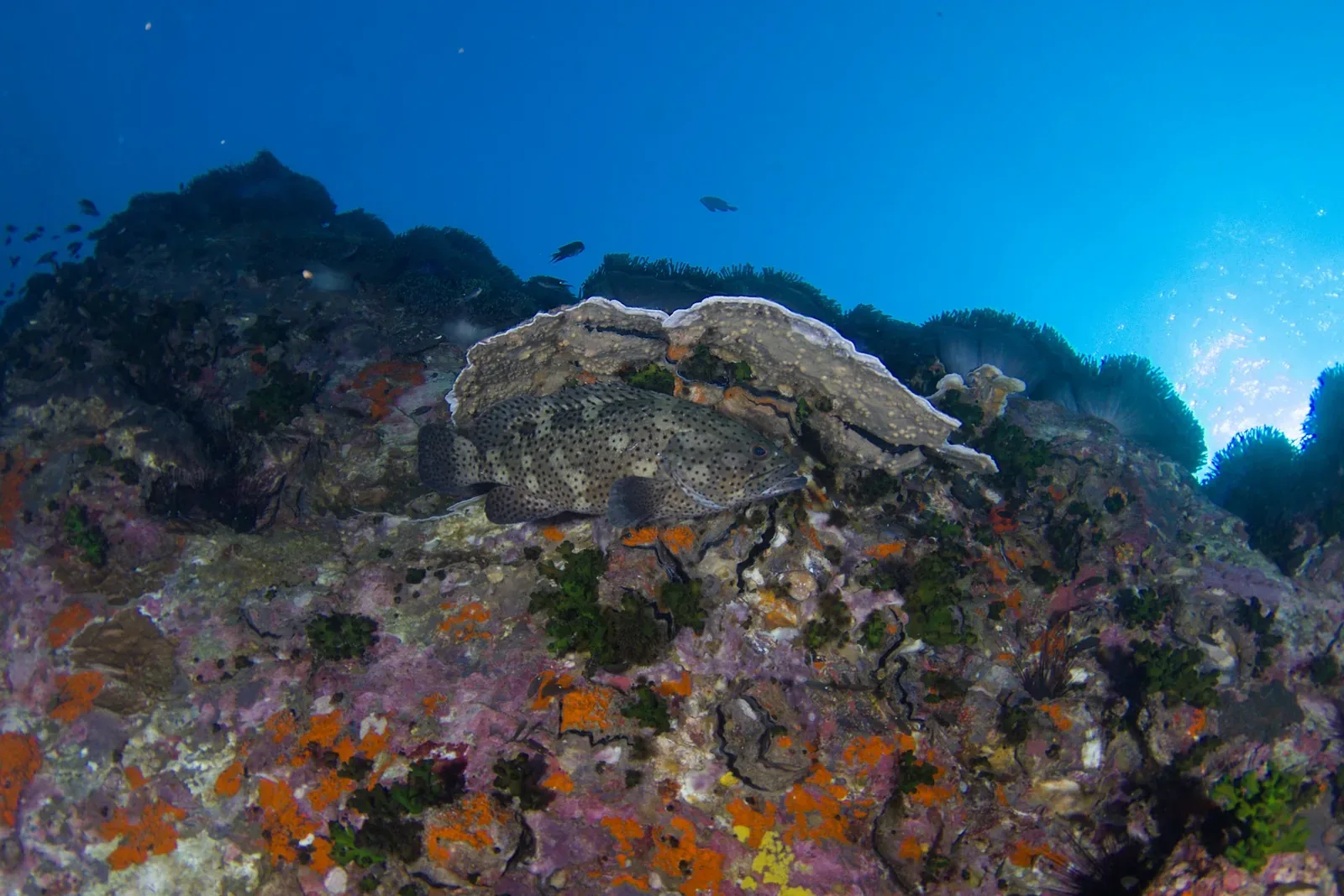
PADI vs SSI on Koh Tao - Which Course Should You Choose?
Thinking about getting your dive certification on Koh Tao? Here's an honest comparison of PADI and SSI so you can make the right choice.
 @fishgirl71 for @kohtaoprovideo
How Much Does Diving Cost in Koh Tao? The Honest 2026 Price Guide
Real prices for every PADI course and dive package on Koh Tao - plus daily living costs and the hidden fees you should watch for at other shops.

PADI Advanced Open Water on Koh Tao: The 5 Adventure Dives Explained
Everything about the PADI Advanced Open Water course on Koh Tao - the 5 dives, the deeper sites you unlock, prerequisites, and whether to do it right after Open Water.