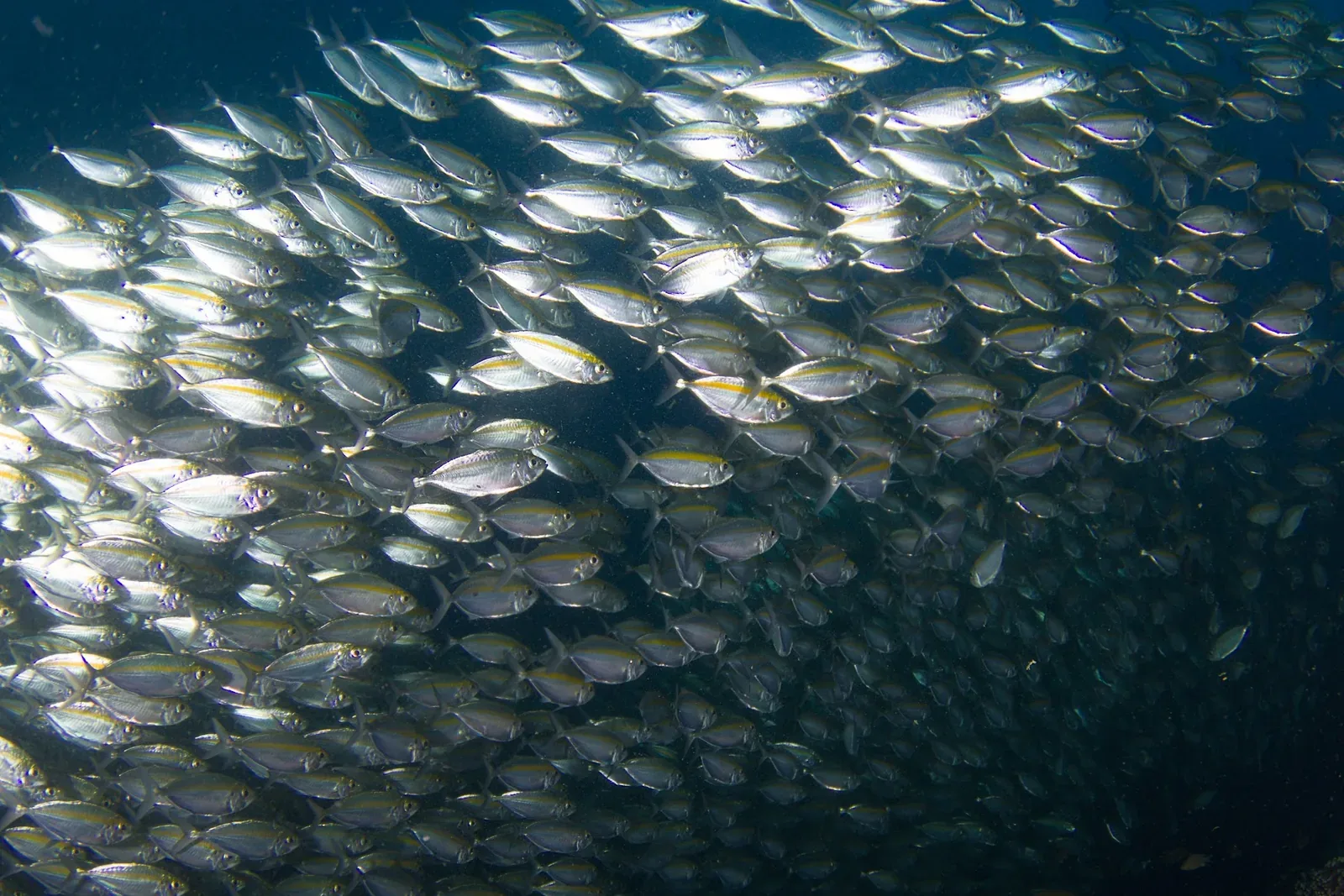
What a PADI Divemaster Internship in Koh Tao Actually Looks Like (Week by Week)
DM Internship vs DM Course
Calling it a "course" undersells it. A typical course is classroom learning over a few days. The PADI Divemaster is more like an apprenticeship - 4 to 8 weeks of structured theory, real assist work on student courses, water skills assessment, and a final exam arc.
The minimum PADI Divemaster timeline is 4 weeks. We recommend 6 weeks. The extra 2 weeks let you assist on more student courses, which is where the real learning happens.
At Siam Scuba, the free internship period is included in the course price. You aren't paying us extra to assist on student courses - that's the whole point. Some shops in other locations charge for it; we don't.
Total cost at Siam Scuba: 40,000 THB for the course. Accommodation, food, and entertainment are separate.
Week 1-2 - Foundations
Theory crash course covers physics, physiology, equipment, dive theory, dive skills, and the underwater environment. The Divemaster Manual is a thick book - we work through it systematically with quizzes between sections.
Water skills assessment: a 400m swim, an 800m snorkel, a 100m unconscious-diver tow, and a 15-minute tread. These aren't athletic tests - we work up to them. Most candidates pass after 1-2 attempts.
Dive Skills demonstration. There are 24 fundamental PADI skills (mask removal, regulator recovery, weight handling, etc.) and you need to demonstrate each one to a teaching standard - that means slow, deliberate, easy to copy. Building demo speed is half the work of becoming a professional.
First "shadow shifts" - you sit in on Open Water classroom sessions and quietly watch how instructors run the room. You're not assisting yet, just learning the rhythm.
Week 3-4 - Assisting on student courses
You start assisting Open Water and AOW students under instructor supervision. This is the inflection point of the internship - you stop being a diver who watches, and start being a professional who acts.
Pre-dive: gear preparation, helping students with weight selection and BCD adjustment, briefings.
In-water: shadow students during their skills, signal them to slow down or repeat as needed, watch for the kid who might be struggling, communicate with the instructor.
Post-dive: debriefs, gear rinsing, log book signing, the reset for the next dive.
Daily dives, often 2-3 per day. The pace is high but you build a deep familiarity with the dive sites and the typical student error patterns. By end of week 4 you can predict what an OW student will struggle with on a given dive before they even get in the water.
Week 5 - Leading certified divers
Mapping a dive site: you produce a full chart with depths, hazards, marine life points of interest, entry/exit, suggested route. You map either Twins, Japanese Gardens, or White Rock - all sites we run frequently.
Mock dive briefings: you run a full briefing for a group of certified fun divers, then lead the dive. An instructor watches and gives feedback after.
Search and recovery scenario: deploy a lift bag, find a target object, surface it.
Deep Dive scenarios: simulating depth-related issues (narcosis recognition, gas planning).
By this point you're getting feedback from multiple instructors - that's intentional. Different instructors have different teaching styles, and exposing you to several builds your judgment.
Ready to dive Koh Tao?
Week 6 - Final exams and graduation
Theory exams: 5 written sections (physics, physiology, equipment, RDP/eRDPML, environment). 75% pass on each.
Skills final demonstration: 5 of the 24 fundamental skills picked at random.
Internship hours documented: PADI requires you to log a minimum number of student-assist hours. Most candidates have well over the minimum by week 6.
DM card application submitted to PADI. Card arrives 1-2 weeks after graduation, mailed to wherever you ask.
Graduation typically involves dinner with the cohort and the instructor team. The Koh Tao DMT graduation is a tradition.
Life on the island as a DMT
Most DMTs share rooms or rent monthly studios. Range: 8,000-15,000 THB per month for fan-cooled basic accommodation, up to 25,000 THB for air-con private studios.
Daily routine on training days: morning dives 8am-12pm, lunch and break, afternoon theory or skills 1pm-4pm, evening study and social time. Recovery time matters - diving twice a day for 6 weeks is physically demanding.
Strong DMT community. There are typically 15-25 trainees on the island at any time, across multiple shops. Cohort mentality, group hangouts, shared accommodation strategies. The friendships people make during DM training tend to be the kind that last.
Time off: most weekends are free. Nightlife is active in Sairee. Hiking and food are cheap. Some DMTs spend their weekends doing fun dives at sites they're not certified to lead yet, just to keep their interest in diving outside the work context.
What happens next
The most common pathway: continue straight to the Instructor Development Course (IDC) after Divemaster. Total cost from OW to OWSI is roughly 120,000-180,000 THB over 3-4 months, depending on package.
Alternative: work as a Divemaster for 6-12 months first, save up, then do the IDC. This is what we recommend for candidates who want to be sure diving is the right career before investing in the instructor pathway.
Job market for new Divemasters: roles are widely available across SE Asia, the Caribbean, the Red Sea, the Maldives, Australia, and the Mediterranean. Entry-level pay is modest (USD 600-1,000/month after housing) but living costs in tropical destinations are low.
The free internship culture is unique to Koh Tao. Elsewhere (Caribbean, Australia), Divemaster internships often charge USD 2,000-3,000 on top of the course fee. Worth knowing as you compare options.
Courses you might like
Hand-picked PADI courses based on this article.
Divemaster
Start your professional diving career with the PADI Divemaster course in Koh Tao: a 16-35 day internship - lead dives, assist on courses, internship and PADI fees included. ฿40,000.
View courseRescue Diver
Build emergency response and rescue skills in Koh Tao with the PADI Rescue Diver course: 3-4 days of scenarios, stress control and rescue skills. ฿11,000.
View courseIDC (Instructor Course)
Become a PADI Open Water Scuba Instructor in Koh Tao at a 5 Star IDC center: the full Instructor Development Course with two dive boats and small groups.
View courseReady to Explore Koh Tao Underwater?
Book a dive with Siam Scuba — beginners and certified divers welcome.
Book a DiveKeep reading
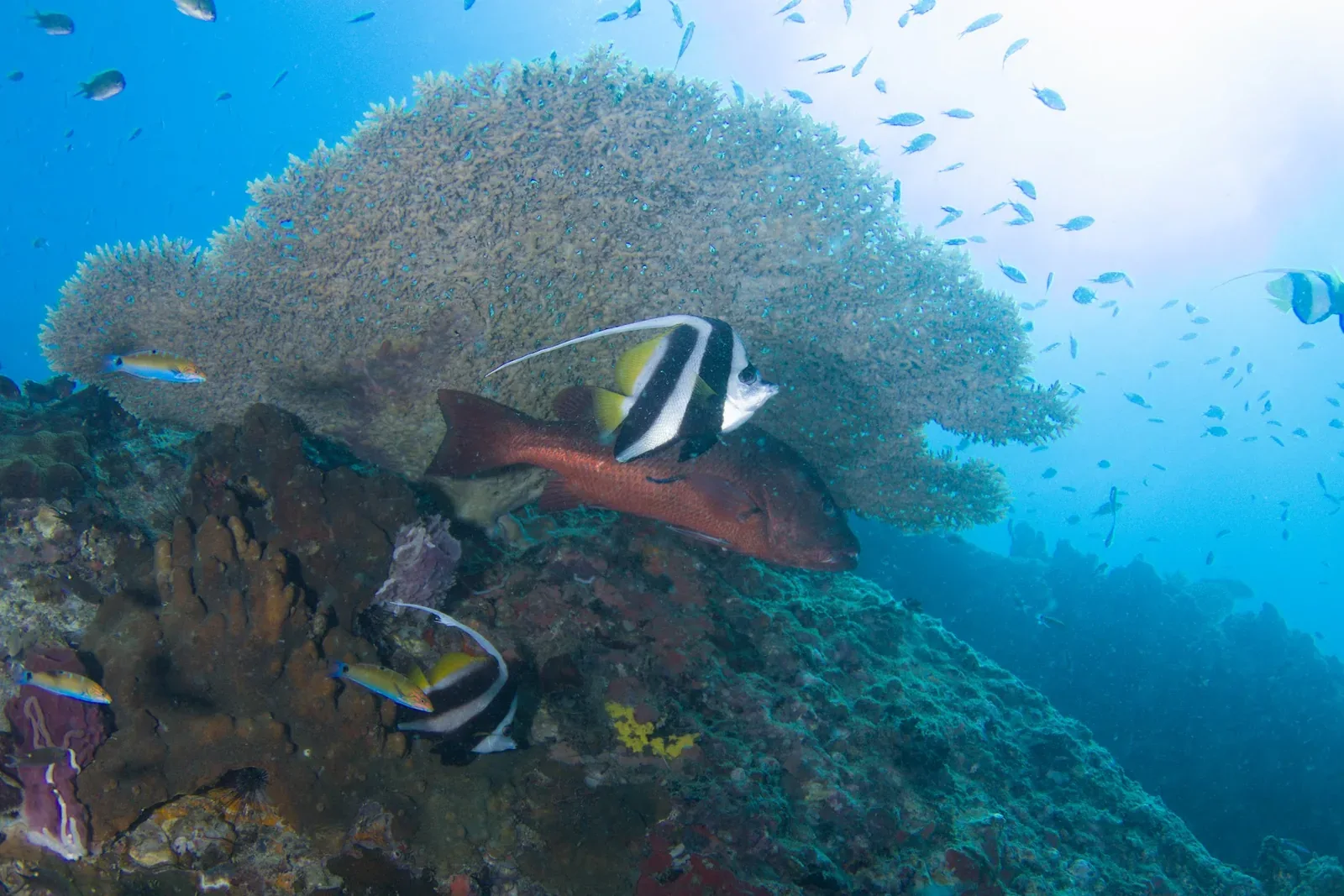
How to Become a PADI Divemaster on Koh Tao
Thinking about turning your passion for diving into a career? Here's everything you need to know about the PADI Divemaster course on Koh Tao.
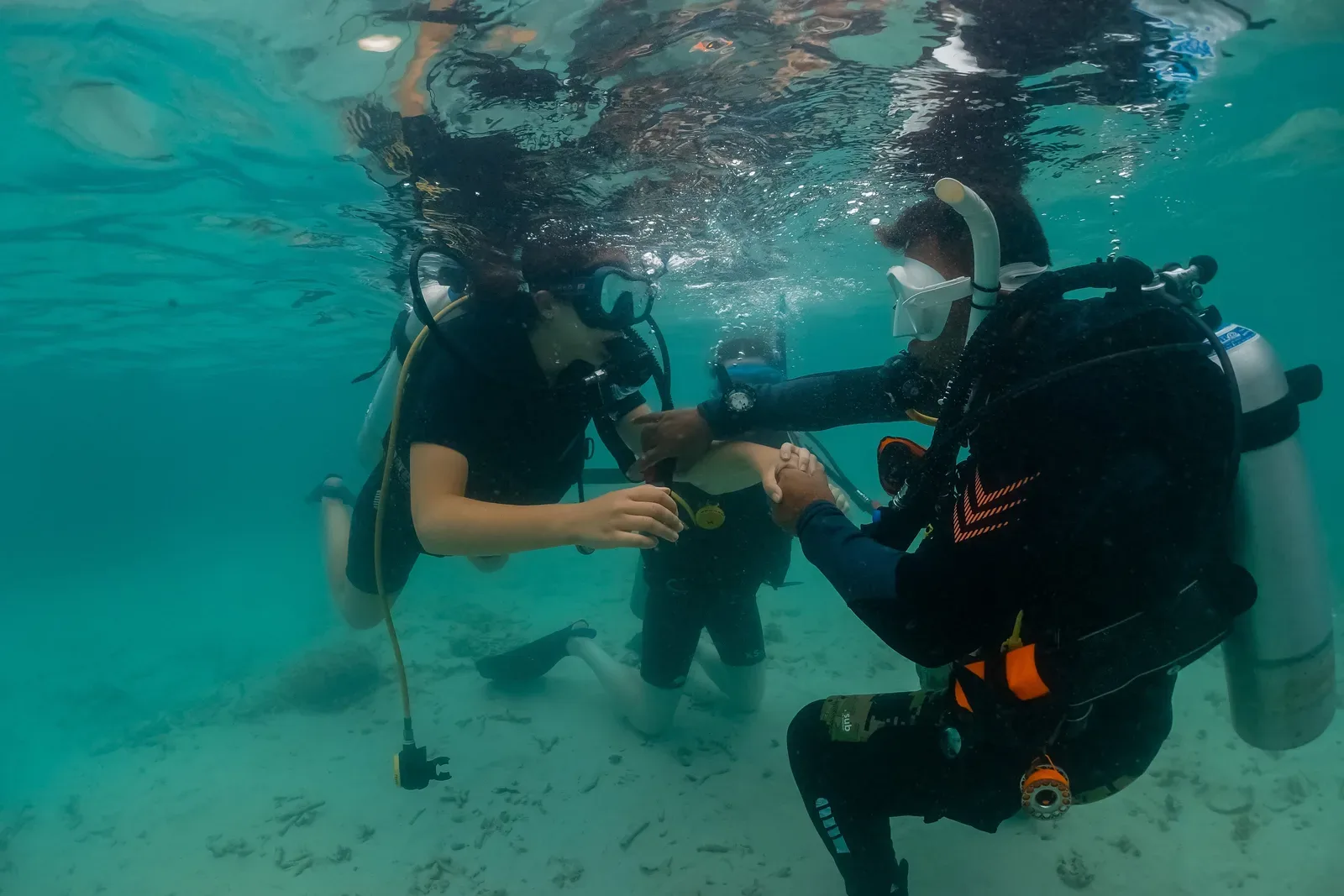
PADI IDC on Koh Tao: How to Become a Scuba Instructor at a 5 Star IDC Centre
The full walkthrough of the PADI Instructor Development Course on Koh Tao - prerequisites, the 10-day training arc, the IE exam, and what work as a PADI Instructor actually pays.
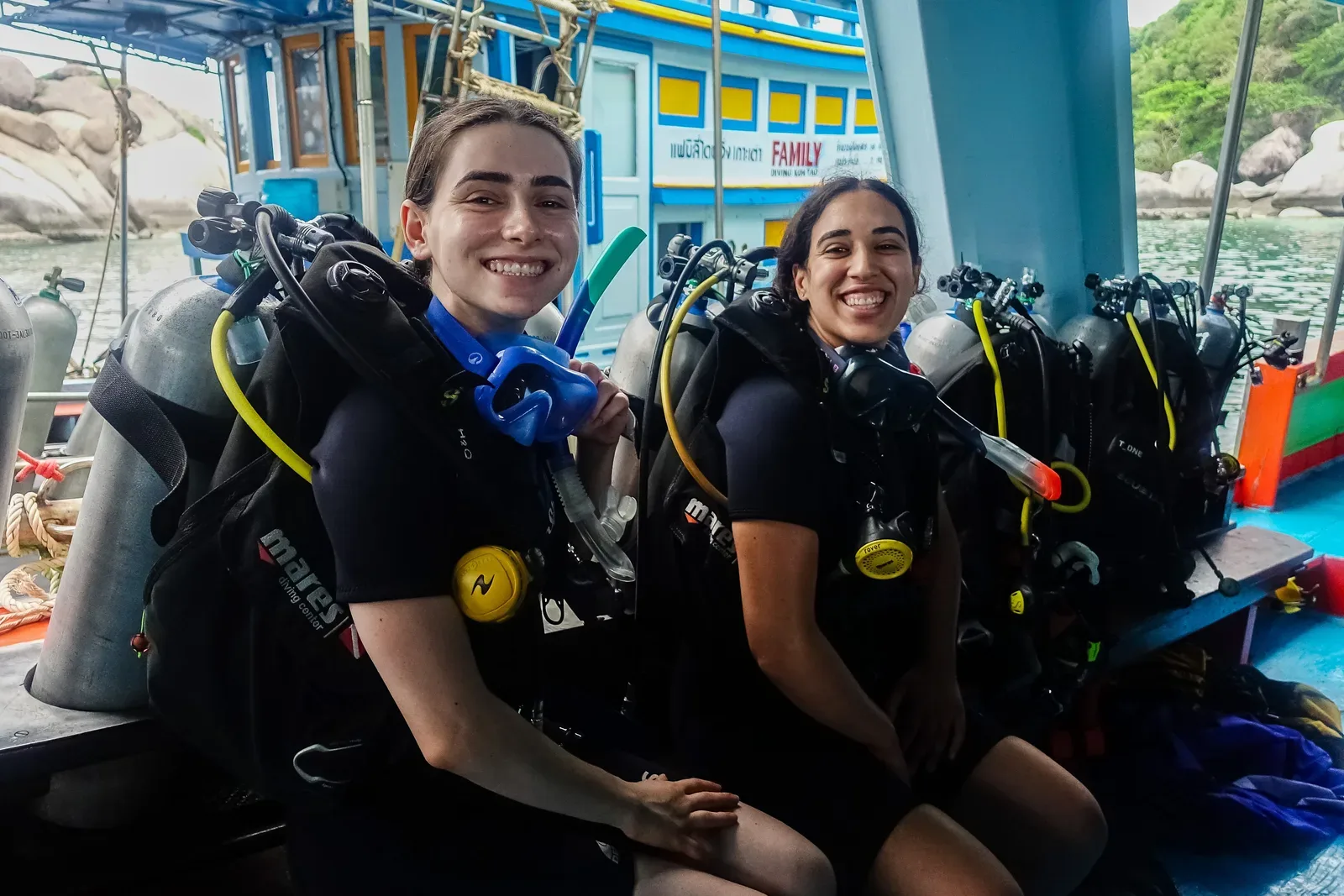
How Much Does Diving Cost in Koh Tao? The Honest 2026 Price Guide
Real prices for every PADI course and dive package on Koh Tao - plus daily living costs and the hidden fees you should watch for at other shops.